Light, Hope, and Václav Havel at DesignBlok 2026
Light Matters
When I visit home, my father and I always argue about light. More specifically, we argue about the correct usage of light in the house. As we are both morning people, we often wake up before the sun has completely risen, and given the oak trees which flank our house, there is little permission for light to fill the living room during the early hours. We both agree the room must be lit. However, the issue at hand is always how the room should be lit. My father, who admittedly has different sight needs (not because he is old, but because he has worn contacts for most of his life), believes it not just necessary, but preferable, to immediately turn on every single overhead light after he wakes – prompting one to question if they are in a divine presence. By contrast I, the tasteful individual I am, prefer the pooled lighting of lamps. Ultimately, the difference between my father and I, is much like the person who prefers to ease themselves into cold water versus the one who jumps straight in.
This is such a point of tension because light has a profound effect on the atmosphere of a place. Lighting can make a space feel cozy, sexy, or inviting but it can also make a place feel sterile, overstimulating, or oppressive. You know the latter feeling well if you’ve spent a prolonged period of time in a hospital or a government building.
Light, while often overlooked in this respect, is a crucial element of design, making it an excellent theme for this years DesignBlok festival. There’s no shortage of creative takes on the theme of Light at the festival this year, but the most common, and arguably most timely, is light as a symbol of hope. Take Lee Broom’s Beacon outside of the Rudolfinum which points upward to the future of the Czech Republic’s glassmaking heritage, or the Museum of Decorative Arts’ exhibition Retro Lamps: Forgotten Stories of Czechoslovak Design, which simultaneously references the past and the future of Czech home design. While hope, like light, is fleeting, fluid, and intangible, it is also provides guidance, clarity, and sustenance for life. However, hope can have equally oppressive qualities.
Light Is Hope
I had a professor in high school who would always say, “Everything is germane, everything is connected.” I believe this more every day, but more so in the past few weeks. The reason for this, is the theme of hope being continuously interconnected with the cultural events around Prague – particularly those celebrating what would be the 90th birthday of Václav Havel. I had the pleasure of attending a discussion presented by the DOX FALL festival last week, featuring activists, authors, and artists who embody the Havalian spirit: Oksana Zabuzhko, Maksim Znak, Zülfü Livaneli, Bill Shipsey, and Azadeh Kangarani. However, the theme of this discussion, complementary to DesignBlok, was not just hope, but the burden of hope.
In the same way the I feel oppressed by the overhead lights of my living room, hope, like light, is not always comforting but taxing – requiring unrelenting perseverance. Maksim Znak, who had just been released from prison in Belarus last year, argued that creativity can help lift this burden. After spending prolonged periods of time in solitary confinement, Znak advocated for creativity as a vehicle for hope: “…creativity is the remedy to this torture [solitary confinement]. The burden of hope is the act of living, not just waiting.”
Design Is Hope
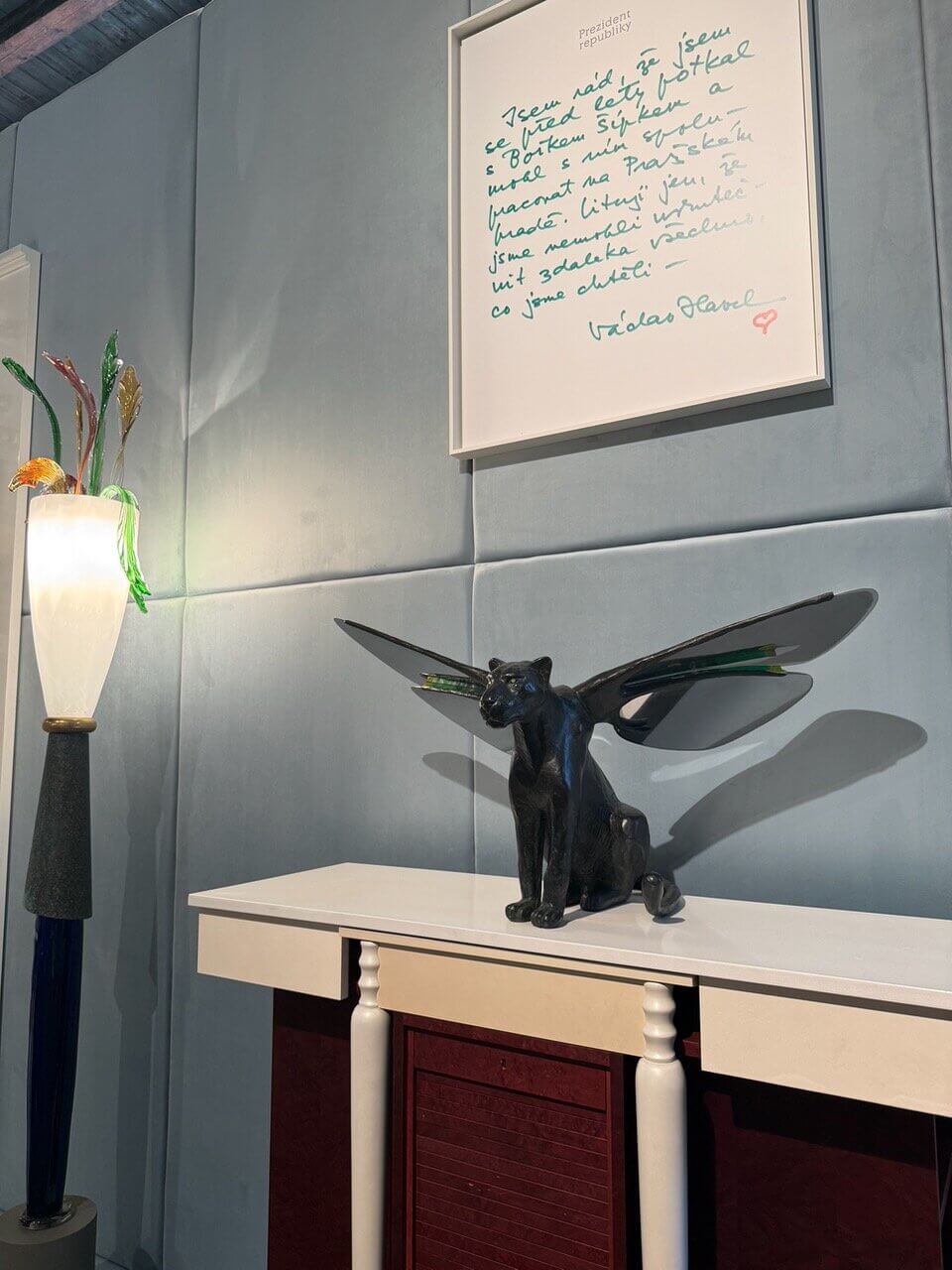
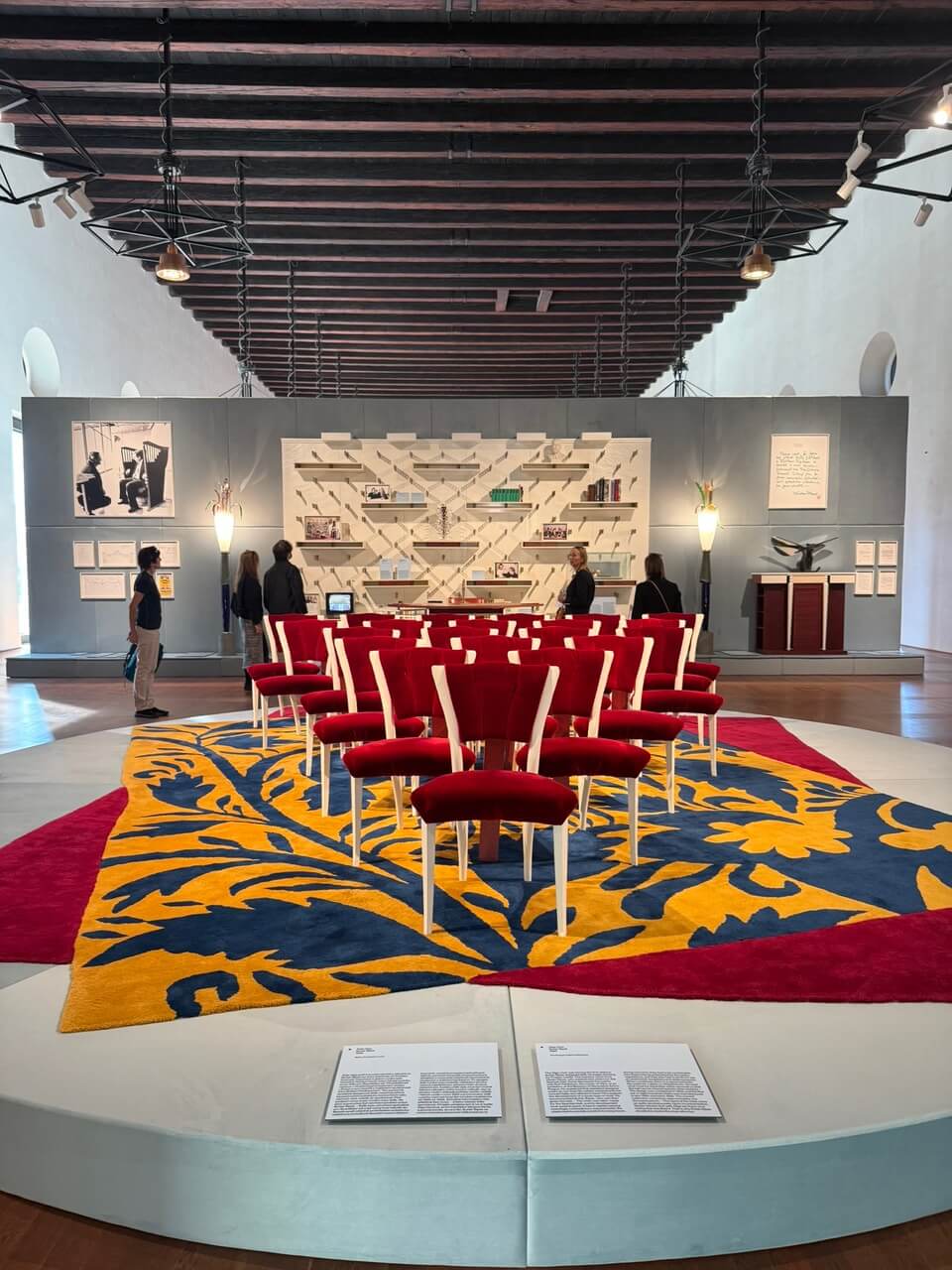
The same two threads run through DesignBlok’s exhibition, Design for Václav Havel. Featuring the works of the president’s friend and designer, Bořek Šípek, the exhibition allows its visitors to witness the reformation of not just a country, but the interiors which represent it. Havel saw the transformation of Prague Castle as imperative – wrote the exhibition’s curators, Jana Zielinski and Andrea Běhounková: “Prague Castle was not a mere seat of power or a backdrop for political life, but above all a cultural symbol of the country. He understood well that the state’s approach to its official spaces reflects the values it promotes.” In this way, Havel and Šípek realized a new vision of the future for the Czech Republic through design.
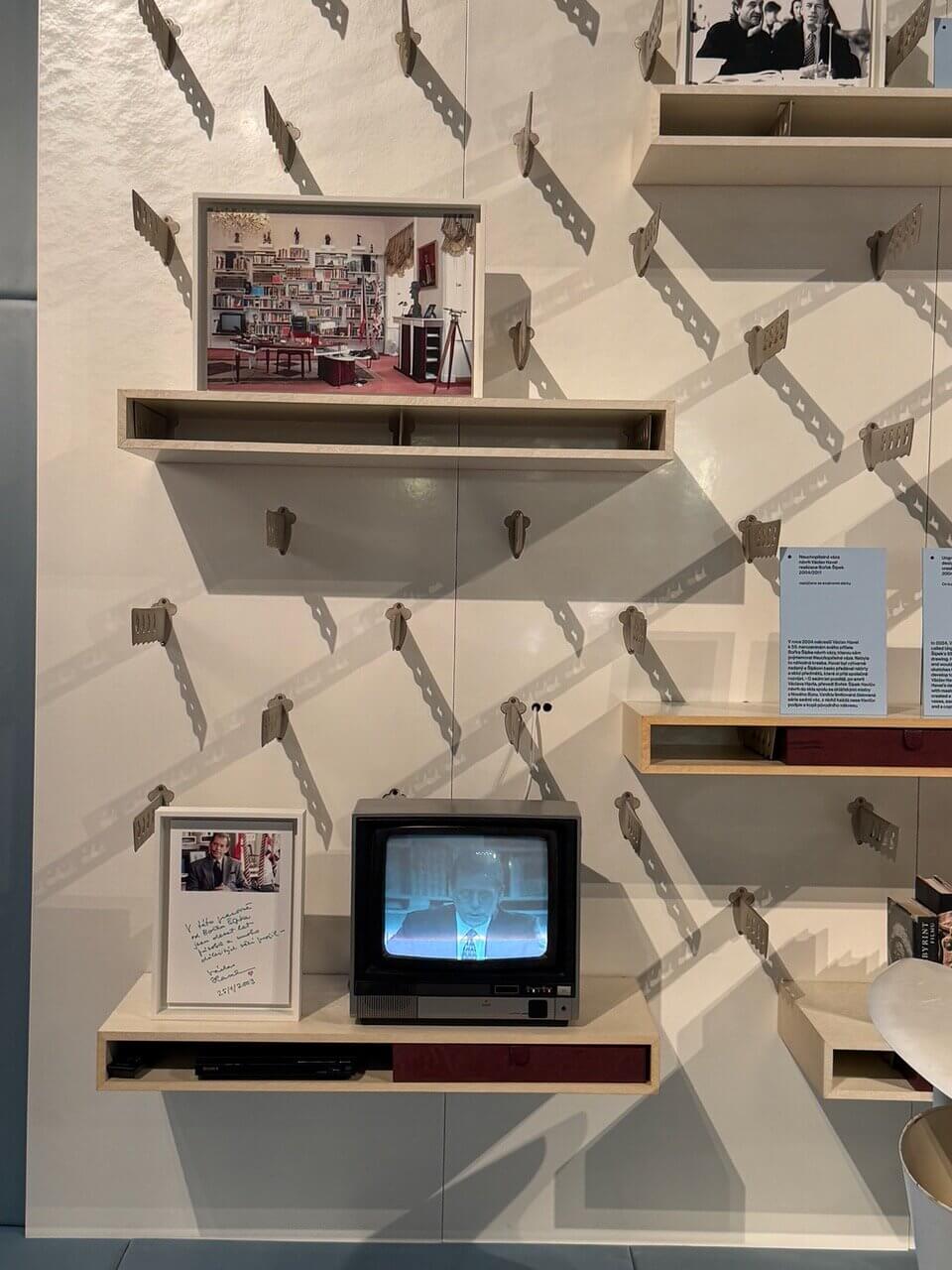
“People in power hate culture,” Zülfü Livaneli said at the DOX conference. I think what he meant was that culture and the arts are direct mouthpieces of the people, often possessing far more influence which escapes the grasp of the powerful. However, it’s clear Havel, as an artist himself, understood the power of not just the arts, but the everyday spaces we inhabit – even if he didn’t always see eye to eye with Šípek’s vision.
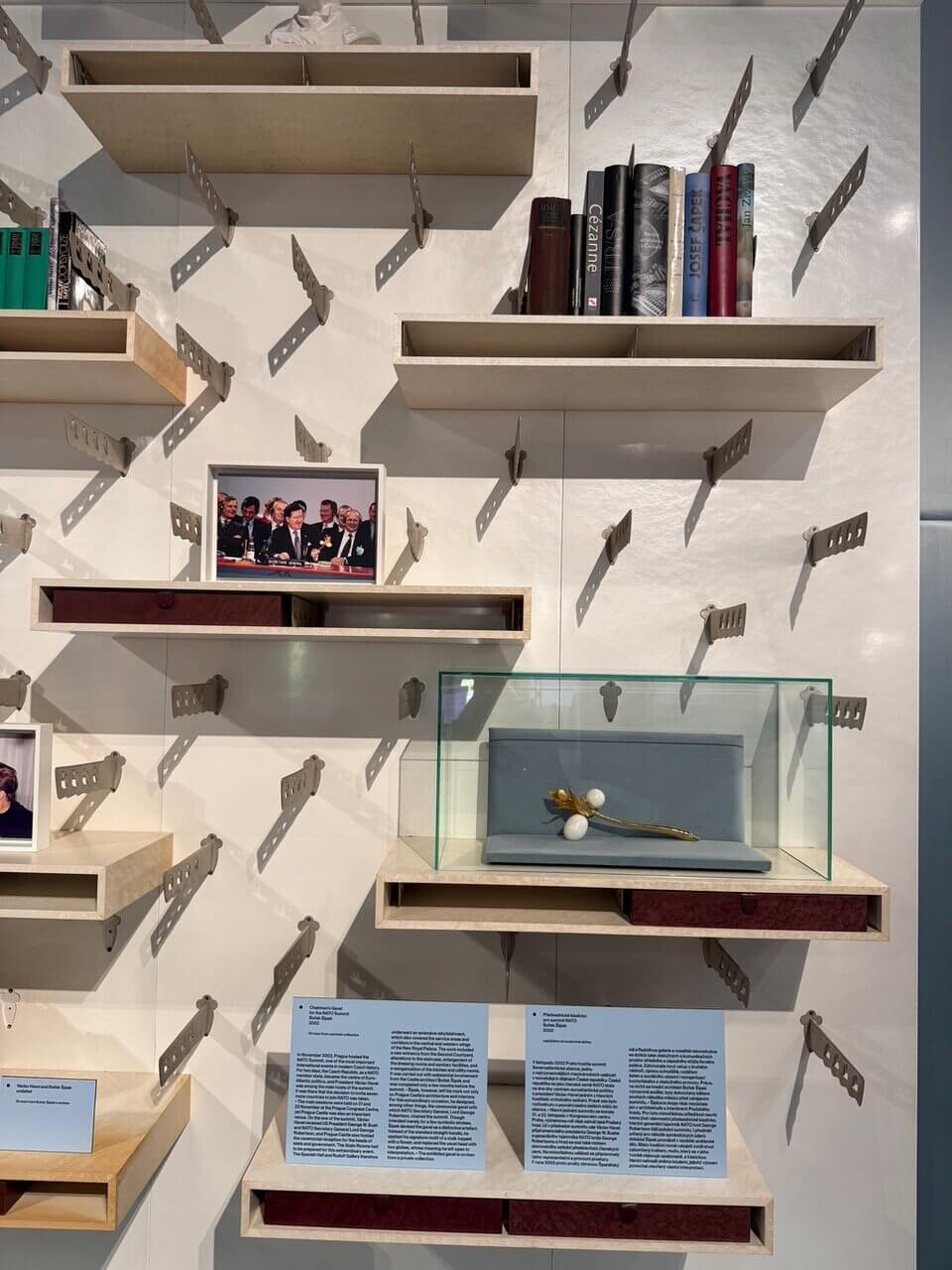
„I admit it took me some time to get used to your artistic style, your architecture, your designing, your peculiar variation on the multi-cultural postmodern ornamentalism,” he wrote to Šípek, “Yet I must also admit that the longer it took me to embrace it, the deeper the embrace was, to the point that I intrinsically identified with you to a certain extent.”
You Can’t Escape Light
Perhaps the same sentiment would be shared by my father if he considered my lighting preferences. But I digress. Art and design, as articulated by Znak, can be just as utilitarian as they are ornamentary – providing an outlet for resistance and celebrating renewal. DesignBlok’s motto is “You can’t escape design,” but this year’s festival has proved you can’t escape light either. I can assure you, once you visit, you’ll leave with an appreciation for not just the spaces we share, but how we have harnessed something as mysterious and abstract as light to bring us hope.
Comments